


For more than a million people, the American West was a place to disappear, to start over, to find independence. The Homestead Acts offered land in exchange for labor; if you could successfully farm the land and pay the fees, you’d receive 160 acres of land from the US government. Adelaide Henry is banking on both of those things when a horrific disaster sends her running from her family’s farm in California. Lone Women, by Victor LaValle, tells Adelaide’s harrowing tale of survival in the brutal lands of early-Twentieth century Montana. Not only does she have to contend with never-ending wind, dirt, hunger, and racism, Adelaide also has to fight for her life against a murderous family and her deadly family secret.
LaValle shows us right from the jump that Adelaide is the kind of person who can definitely take care of herself, though he does it in a very unusual way. We meet Adelaide as she is burning down the Henry house, with her murdered parents inside. We don’t know who or what killed them. (That secret is revealed later.) Before the flames take hold, Adelaide gets a ride to Los Angeles with a heavier-than-expected steamer trunk and a small bad. From Los Angeles, she travels to Montana, inspired by an article about a woman who was able to take advantage of the Homestead Act all on her own—the law never explicitly stated that the person filing a claim had to be a man. Adelaide hopes to follow in this woman’s steps and is banking on her strength and self-sufficiency.
Big Sandy, Montana is a bit more hardscrabble than Adelaide was expecting but what really gets her hackles up are the Mudges, the family that also catches a ride from a local wagoner from Big Sandy to their claims. The Mudges’ disappearance partway through the wagon ride is only a temporary relief because they come back with a vengeance several weeks later with theft and murder on their minds. They know there’s something good in Adelaide’s trunk. Why would she guard it so carefully if there wasn’t something valuable in it?
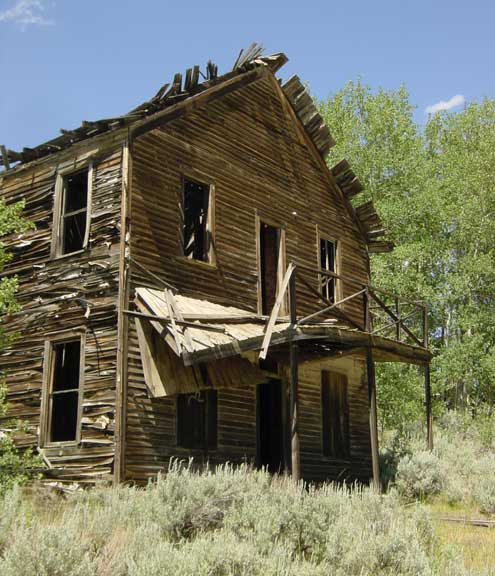
Adelaide’s first year on her small, waterless (the well the land speculator told her about was a dud) claim is hard. She arrives too late in the year to plant anything, which means she has to live on the charity of some of the first friends she’s ever made. Her friends are one of the few bright spots in those early months. The rest is hard, dirty, lonely work. And the Mudges. And whatever is going on in the increasingly sinister town of Big Sandy. But what really brings Lone Women to life is Adelaide’s slowly blossoming character and her family secret. In spite of all of this, I couldn’t help but grin widely when Adelaide stops hiding, makes peace with the secret, and starts kicking some serious ass. Lone Women begins as a horror novel, turns into a bloody western, and transforms into an amazing kind of fairy tale at its climax.
I can’t say enough good things about this absolutely gripping, outstanding novel.