
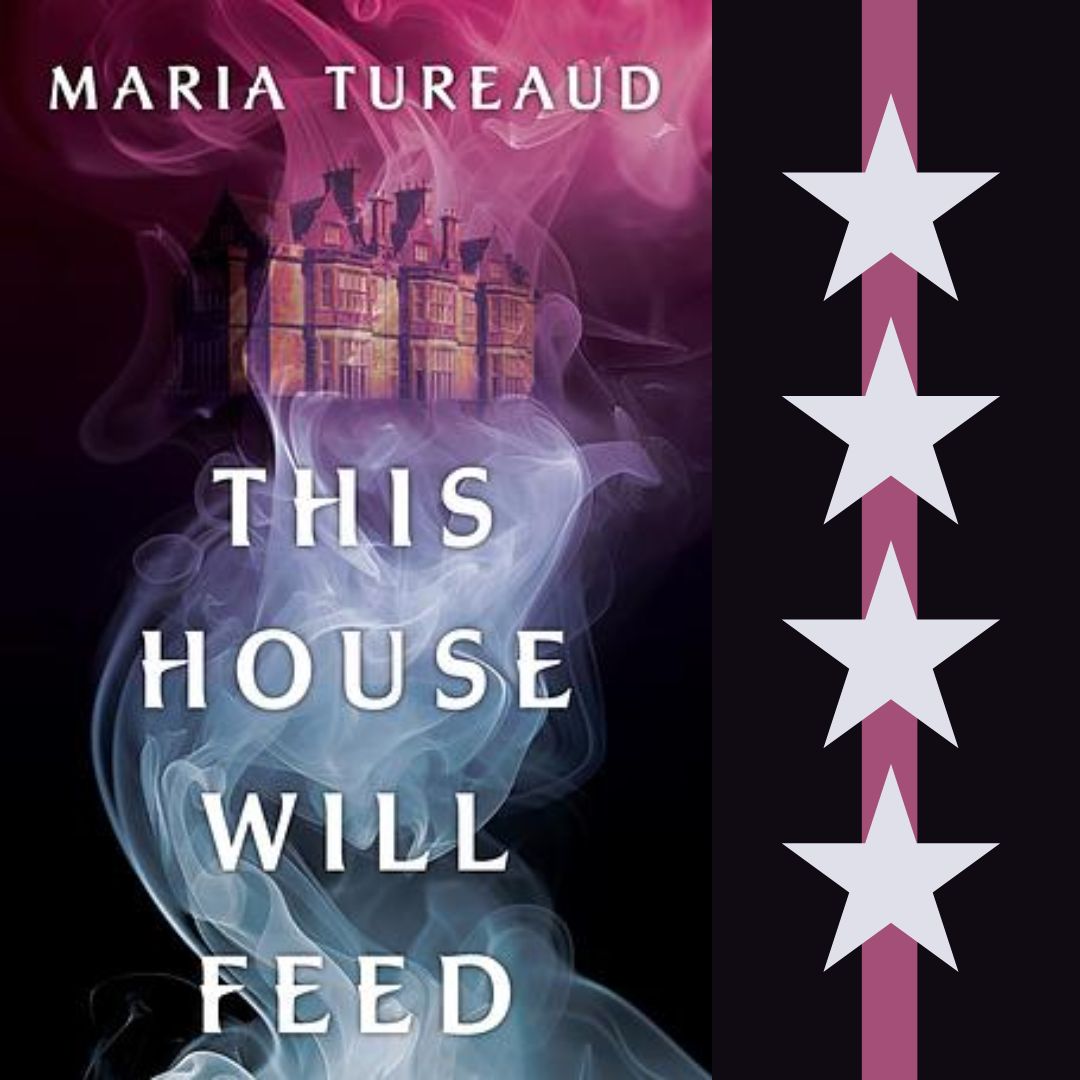

Maggie O’Shaughnessy has lost everything: her family, her home, her lover. She almost lost her life before finding a brutal refuge in a rural workhouse. Until a mysterious rich woman plucks her out of the workhouse, all Maggie has to look forward to is a life of manual servitude in exchange for grudging charity. In This House Will Feed, by Maria Tureaud, we see how far a woman might go for vengeance in the midst of one of the most devastating famines in European history.
When Phytophthora infestans arrived in Ireland in 1845, it wiped out one of the few crops Irish workers were allowed to keep. Everything else—grain, livestock, other food crops—had to be sold or given to Anglo overlords in rent. Without potatoes, an estimated one million1 people died from starvation and related disease. Millions more had to leave the island. Maggie’s father’s position as land agent for a wealthy Anglo landowner (named after a historic figure who was so awful to his tenants that even Parliament noticed) kept her family safe, at first. But the family are eventually turned out and slowly die, one by one, as they search for food and shelter. We learn why the family were turned out over the course of the novel in flashbacks, after Maggie takes up an unusual position in the remote home of Lady Catherine.
Lady Catherine offers to have Maggie released from the workhouse if Maggie will agree to pose as Lady Catherine’s deceased daughter. Without someone to stand in for Wilhelmina, Lady Catherine says, she will lose her home and all of her tenants will be turned out. To sweeten the deal, Lady Catherine promises five acres of land after the charade is over. Maggie barely pauses before accepting the strange offer. (Anything would be better than staying in the workhouse.) But when Maggie arrives at Browne House, it’s clear that there is a lot that Lady Catherine didn’t tell her. It will take the rest This House Will Feed for Maggie to find out what the real price of her rescue is.
Tureaud does amazing work showing us the sorrow and desperation Irish tenants might have felt, as well as their anger at the people responsible. I found the ending of the novel a little too easy for all of the tension Tureaud built up in the preceding chapters, but I relished the spookiness of Browne House, the hints dropped by the servants about things Maggie wasn’t told, and the possibility of a small bit of justice (or revenge) that our protagonist mighte be able to mete out.

- The total number of dead is still debated. I took this number from the Wikipedia article on the Great Famine. ↩︎